

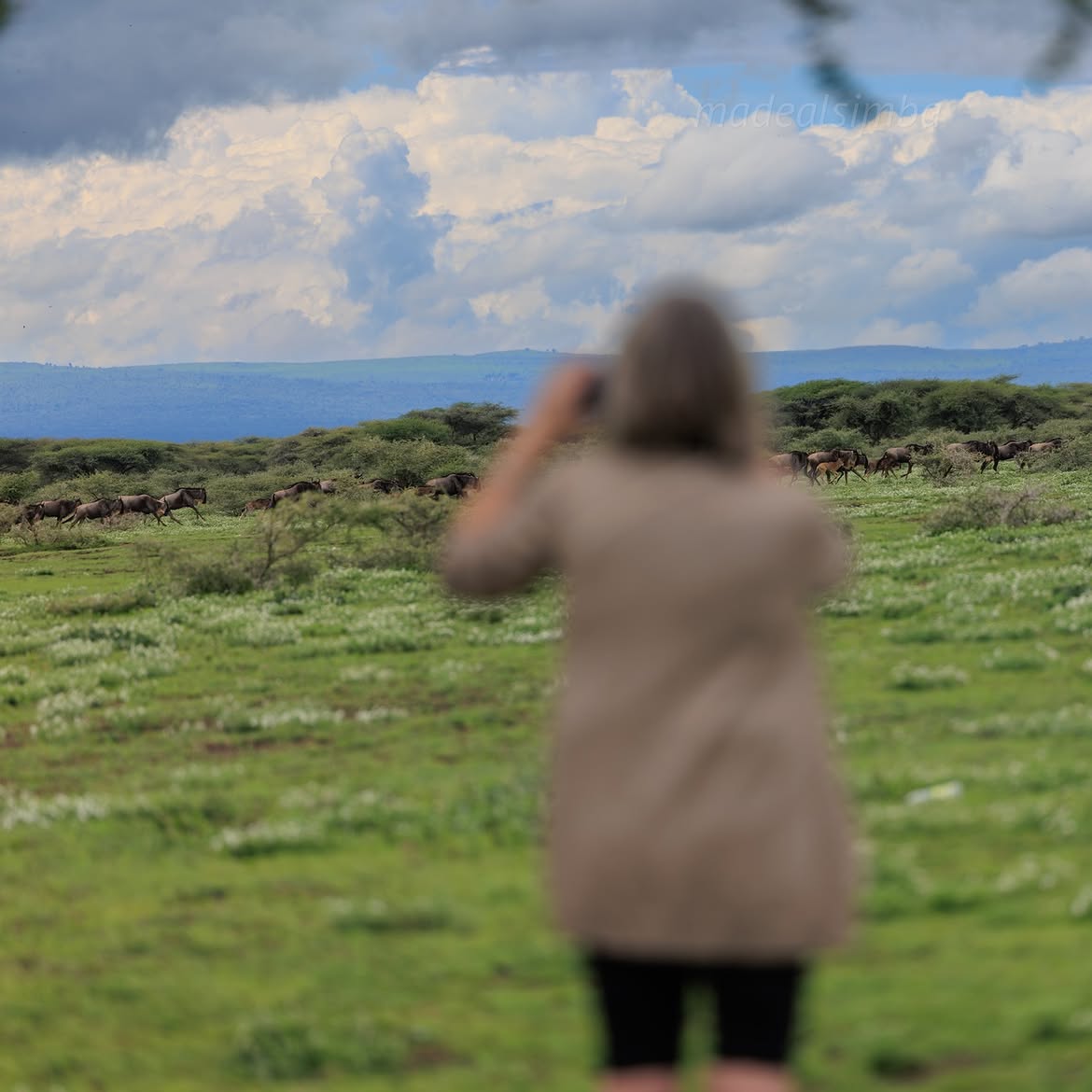
The Serengeti National Park is one of the world's most famous wildlife destinations, and for good reason. Located in Tanzania, it is home to the Great Wildebeest Migration, where nearly two million wildebeest, zebras, and antelopes move across the plains in search of fresh grazing.
At nearly 15,000 km², the Serengeti is a wide, untamed wilderness that stretches as far as the eye can see and is also home to the Big Five, making it one of the most rewarding destinations for wildlife lovers.
No matter the season, the sight of thousands of animals roaming freely across golden plains, the sound of wildebeest filling the air, and the warmth of the Masai people combine to create an experience beyond words.
This guide takes you through everything that makes the Serengeti so special, so you can plan your visit and head into Africa's most iconic wilderness with excitement and confidence.
What Is The History Of The Serengeti National Park?
The name Serengeti comes from the Maasai word "siringet" or "serenget", which means "endless plains" or "the place where the land runs on forever".
Long before it became a national park, the land was home to the Maasai people, who grazed their cattle across the open plains and lived in harmony with the surrounding wildlife.
The Maasai have called this place home for generations, living near the Ngorongoro Conservation Area and moving their cattle across the open plains in a way of life that has remained largely unchanged.
In 1930, the area was designated a game reserve, and by 1951, it had become Tanzania's oldest national park. By 1981, Serengeti National Park had been officially recognized as a UNESCO World Heritage site.
Over the years, the Serengeti's boundaries expanded to include a permanent corridor that allows wildebeest to migrate freely between Tanzania and Kenya, making it the incredible wildlife destination it is today.
Why Visit The Serengeti?
The Serengeti National Park is a must-see, as it's one of the most discussed places on Earth.
From the thundering herds of the Great Migration to the thrill of watching predators hunt across open plains, every day spent there produces memories you will never forget.
Our Serengeti safari plans let you explore the park up close and experience its wildlife like never before. The Serengeti is also widely considered one of Tanzania's best places to visit, making it an essential stop on many travel itineraries.
What Does The Serengeti Look Like Today?
The Serengeti has wide-open grasslands stretching across the landscape, with scattered acacia trees and rocky outcrops known as kopjes rising dramatically from the flat ground.
The Serengeti supports one of the richest wildlife ecosystems on Earth, where grass sustains grazing animals, and the grazing animals feed predators, creating a natural cycle that has existed for thousands of years.
The Great Wildebeest Migration
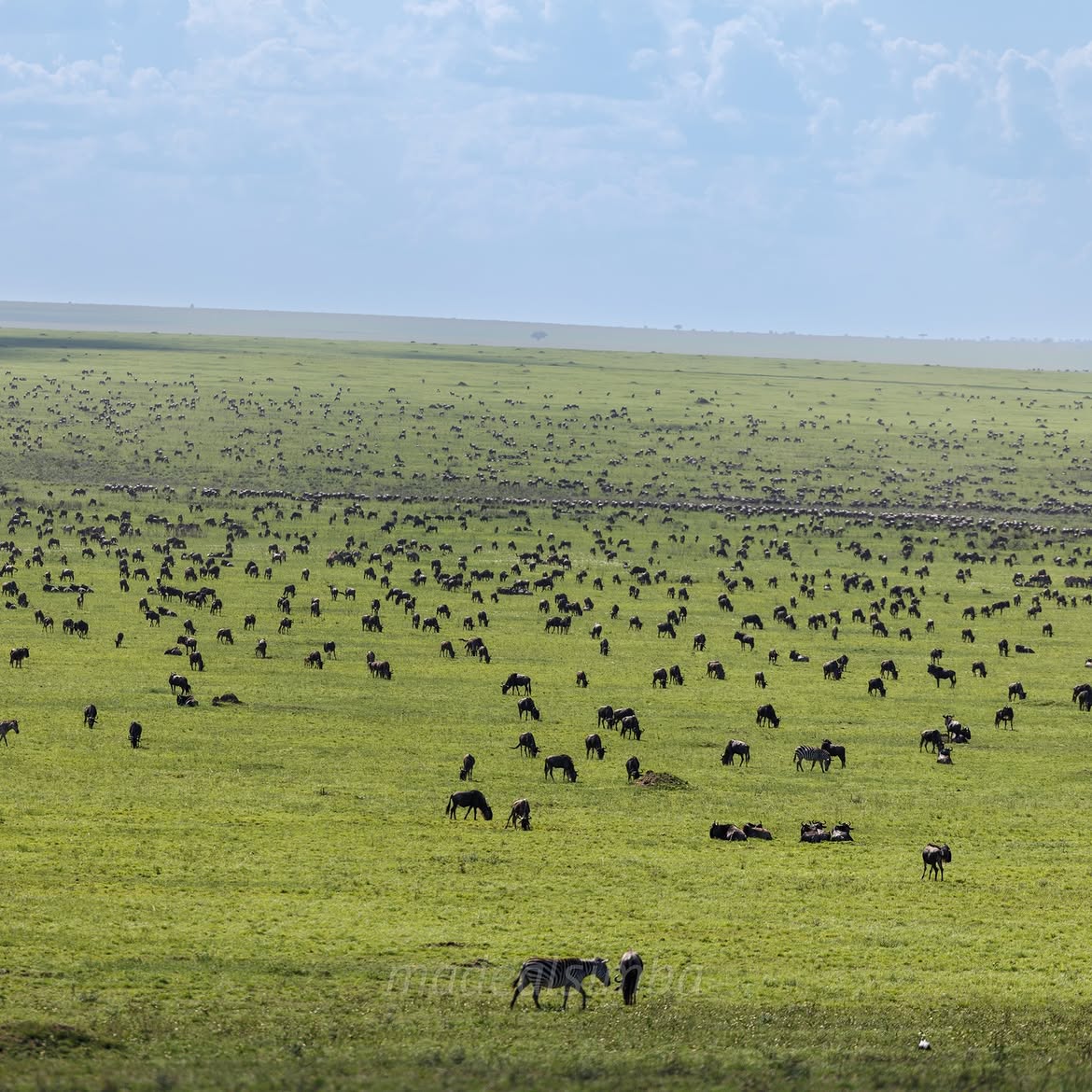
One reason people visit Serengeti National Park is to witness the Great Wildebeest Migration, the world's largest land animal migration.
The herds move through different parts of the park, including the western corridor and areas near the Grumeti and Mara Rivers.
The wildebeest gather at the river's edge, and the crocodiles are already in the water, waiting for them to cross.
Once the wildebeest start moving into the river, the crocodiles rush in and attack, making every single crossing a tense and exciting moment where anything can happen.
What Are The Roles Of Rivers In The Serengeti?
The Mara, Grumeti, and Mbalageti rivers play a significant role in sustaining the Serengeti, especially during the dry season when water is scarce.
They provide wildlife with places to drink and keep a wide range of species fed and thriving year-round, making them essential to the Serengeti National Park safari.
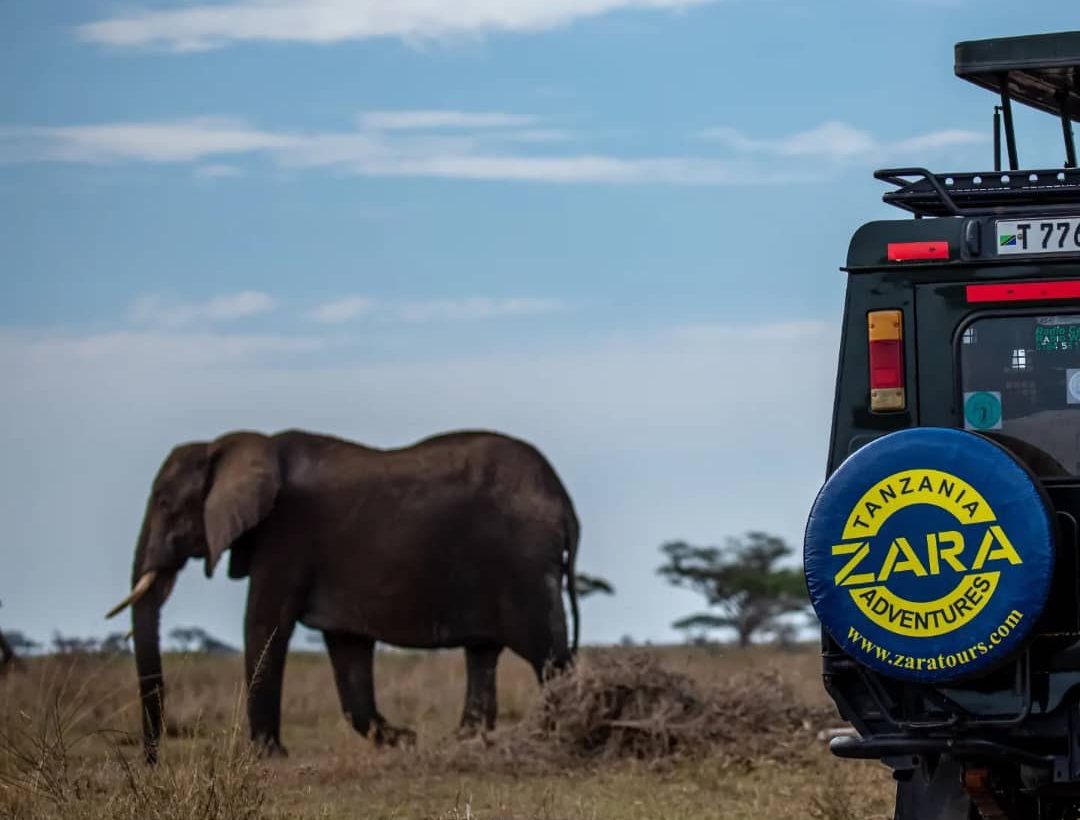
Whether you are watching elephants drink from the water's edge, spotting crocodiles basking in the sun, or watching birds fly over the water, the rivers of the Serengeti give you a front-row seat to some of the most amazing wildlife moments in the park.
The Big Five And The Wildlife on the Serengeti
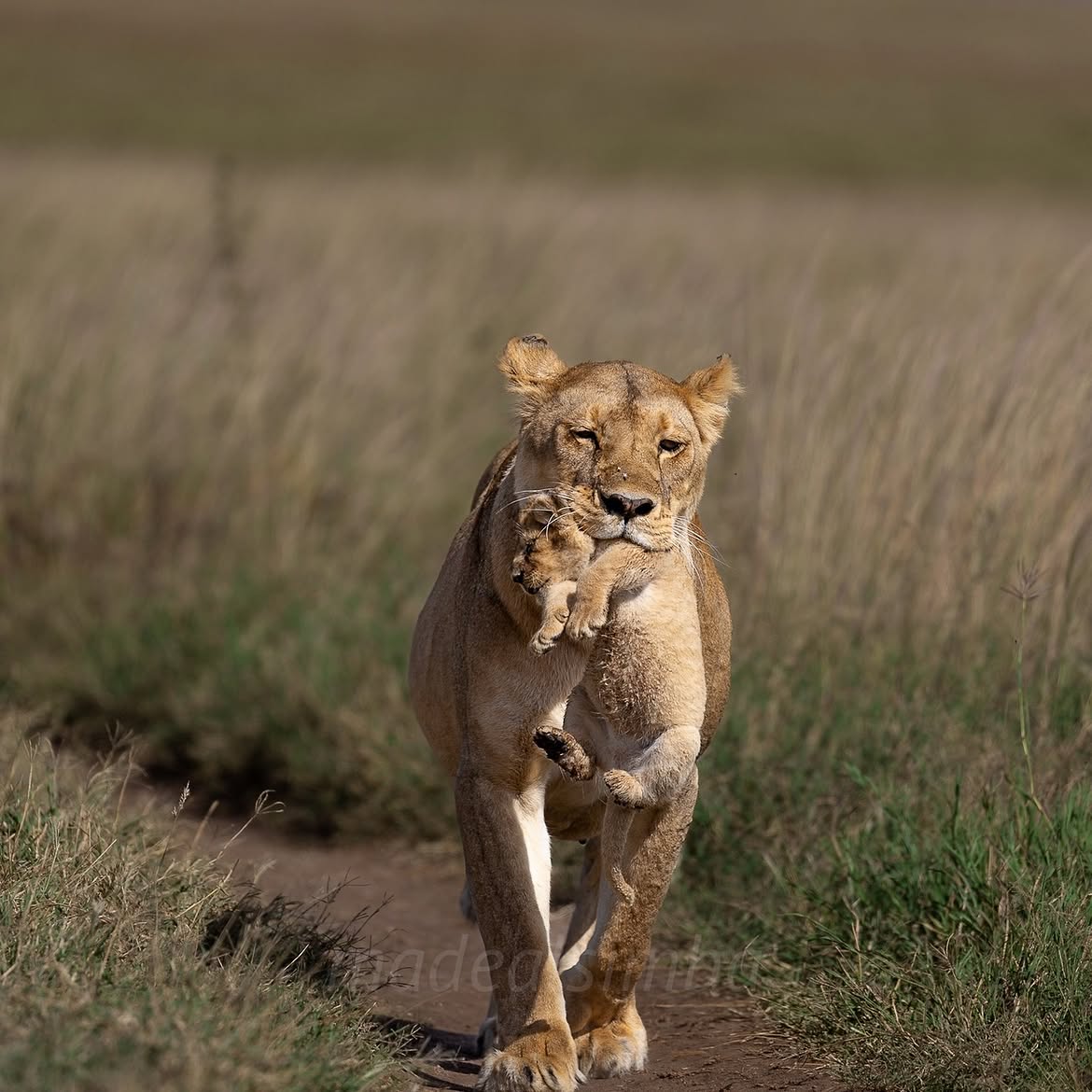
The Serengeti is home to some of the planet's most amazing animals, known as the Big Five: the lion, leopard, rhinoceros, elephant, and African buffalo.
With an experienced guide by your side, spotting all five on your safari is well within reach. The Serengeti National Park is home to over 300 species of animals, making it one of the most remarkable ecosystems on the planet.
You will often find these animals resting under trees or walking confidently across the road as if they own the place.
Cheetahs scan the open plains for their next meal, leopards stay hidden high up in tree branches, and hyenas move together in clans across the landscape.
What makes the Serengeti special is the balance between predator and prey. The migrating herds bring an abundance of prey into the park, supporting one of the highest concentrations of large carnivores in Africa.
How Does The Serengeti Compare To Other Parks?
Many tourists wonder how the Serengeti compares to other outstanding parks around the world, and the answer is simple.
Yellowstone National Park in the United States, covering approximately 8,991 km², is one of the world's most iconic national parks.
The Serengeti, at nearly 15,000 km², is almost twice the size, and that extra space gives wildlife the freedom to roam across vast, open lands.
Another similar question is whether safari is better in Kenya or Tanzania. Kenya's Maasai Mara is incredible, and the wildlife viewing there is world-class, but the Serengeti often feels wilder, less crowded, and more expansive.
Since the migration spends more time on the Tanzanian side, both destinations offer exceptional safari experiences, though the Serengeti is larger and less crowded.
The best part is that your Serengeti safari does not have to stop at the Serengeti. You can combine it with the Ngorongoro Crater and Tarangire National Park to create one of Africa's most comprehensive wildlife experiences.
Frequently Asked Questions
1. What Is The Rarest Animal In The Serengeti?
The black rhinoceros is one of the Serengeti's rarest animals, and years of poaching have reduced its numbers to the point that they came dangerously close to disappearing from the park altogether.
In the mid-1970s, the park had about 700 black rhinos. However, poaching quickly drove that number down, and a 1993 survey found only three left in the Moru Kopjes area.
Since then, conservation efforts have helped the population recover, with fewer than 70 individuals surviving in the park today, making spotting one in the wild a truly special moment for every visitor.
2. What Are The Fascinating Facts About Tanzania?
Tanzania is home to Mount Kilimanjaro, the highest mountain in Africa, and has one of the largest wildlife populations on the continent. Just off its coast lies Zanzibar, one of the world's most beautiful island destinations, while inland you will find the Ngorongoro Crater, the world's largest intact volcanic caldera.
3. What Are The Big Five In The Serengeti?
The Big Five in the Serengeti are the Lion, leopard, elephant, African buffalo, and black rhinoceros. Big-game hunters originally coined the term to describe the five most difficult animals to hunt on foot, but today it refers to the five most sought-after animals on safari.